Alberta's Two Landmark Builds: The Sturgeon Refinery and the Heartland Petrochemical Complex
Two Alberta megaprojects changed what the province does with its own hydrocarbons. Here is what each achieved, and why the maintenance-phase material handling decisions inside them matter for the next 30 years.
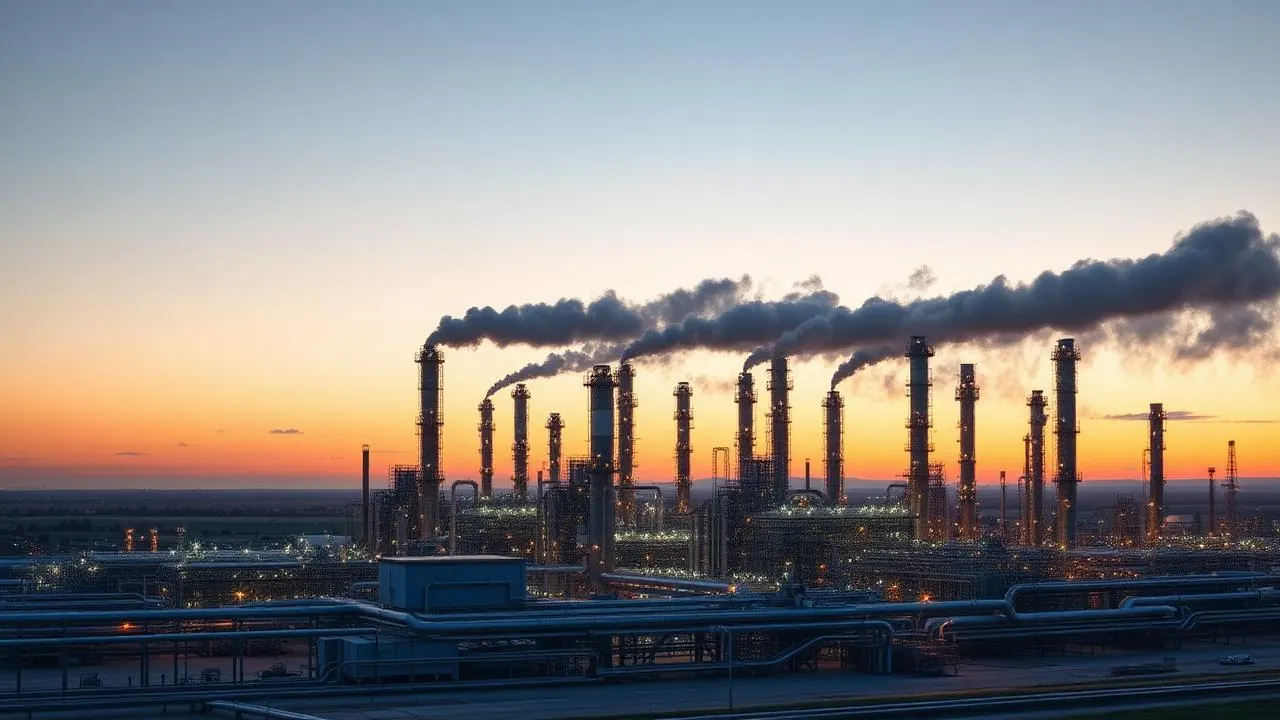
Alberta spent decades exporting raw hydrocarbons and importing the finished products made from them. Two projects changed that pattern — and both are now operating assets rather than proposals.
The Sturgeon Refinery
Operated by the North West Redwater Partnership, the Sturgeon Refinery near Redwater, Alberta processes diluted bitumen into low-sulphur diesel and other products. It is the first refinery built in Canada in decades, and the first designed from the outset with carbon capture integrated into the process rather than added afterward.
Ownership sits equally with Canadian Natural Resources Limited and the Alberta Petroleum Marketing Commission, meaning Alberta taxpayers hold a direct stake in the facility.
Sources: North West Redwater Partnership and the Alberta Petroleum Marketing Commission.
Why it matters: the value of upgrading bitumen stays in Canada instead of being captured offshore, and the CO₂ stream feeds a capture and transport system rather than the atmosphere.
The Heartland Petrochemical Complex
Built by Inter Pipeline in Alberta's Industrial Heartland, the Heartland Petrochemical Complex is Canada's first integrated propane dehydrogenation and polypropylene facility. It takes propane — historically a low-value byproduct of Alberta gas processing — and converts it into polypropylene, a globally traded plastic resin used in automotive, medical and packaging manufacturing.
Source: Inter Pipeline.
Why it matters: it is one of the largest private capital projects in Alberta's history and it creates a domestic petrochemical value chain where none existed.
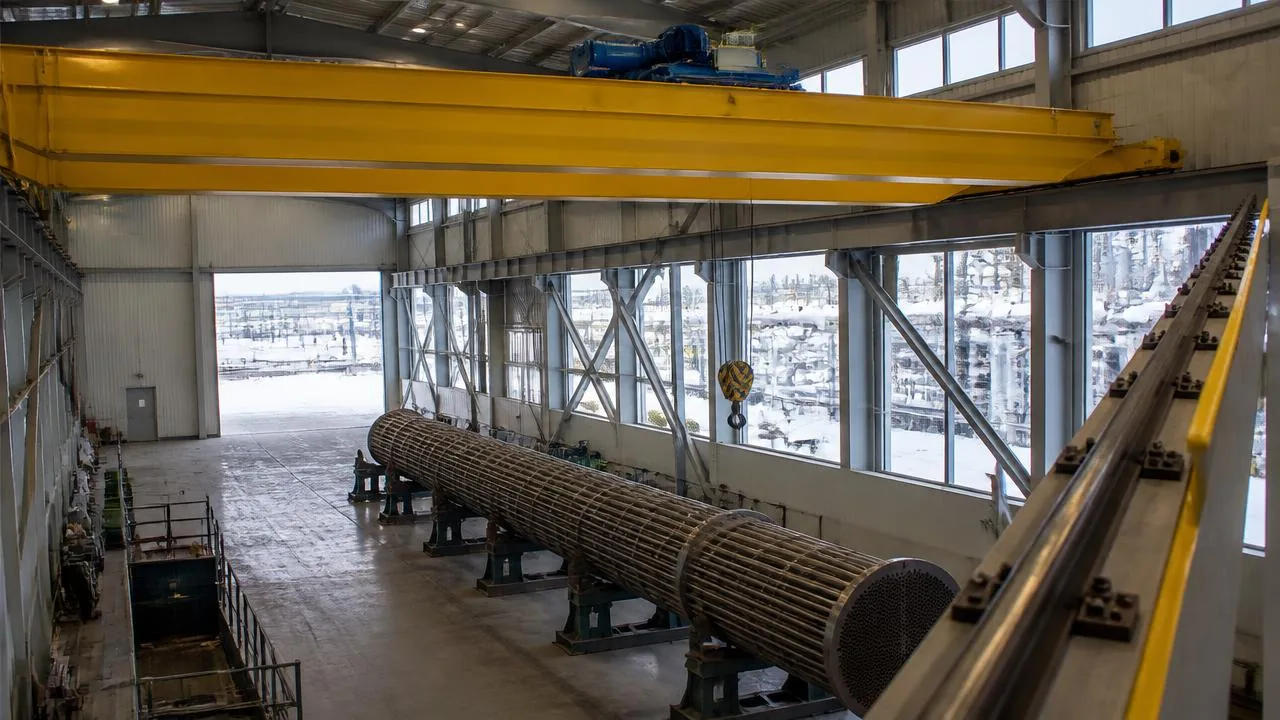
What both projects share on the maintenance side
Neither facility is a warehouse. They are classified-area process plants where the material handling equipment lives inside a hazardous environment for its entire life.
That produces a very specific set of requirements that generic crane specifications routinely miss.
Area classification is not optional detail
"Explosion-proof crane" is not a specification. A compliant hazardous-location crane needs the Class and Division (or Zone), the gas or dust group, and the temperature code — taken directly from the facility's area classification drawing. Get one of those wrong and the equipment cannot legally be energized in the area it was purchased for.
We covered this in depth in hazardous location overhead cranes.
Coatings have to match the real environment
Alberta process plants combine wide temperature swings, sulphur compounds, steam and washdown. "Manufacturer's standard paint" is not a coating system. Surface preparation, primer, intermediate and topcoat, plus dry film thickness, need to be specified against the actual exposure — see heavy-duty crane specifications.
Turnaround performance is the real test
A refinery or petrochemical turnaround compresses a year of maintenance into weeks. Every hour a maintenance crane is unavailable is an hour of critical-path delay across hundreds of trades.
That makes the following non-negotiable well before an outage:
- Current inspection and load test records for every unit in the turnaround scope
- Verified capacity and hook approach against the heaviest planned lift
- Critical spares on site: brakes, contactors, drives, rope and rope guides
- Below-the-hook devices inspected, rated and certified for the specific lifts
- Operator and rigging competency documented
The commercial reality
The crane vendor servicing a process plant sells a product line and a service agreement. That is a legitimate business, but it is not an independent technical opinion.
Owners running classified-area assets benefit from a review that starts with the area classification, the duty cycle and the turnaround plan — then evaluates equipment options across any manufacturer. On assets designed to run for thirty years, that separation is worth documenting.
Our oil and gas crane advisory and safety and compliance review services are built for exactly this environment.
Sources & attribution
Public announcements referenced
Financial results, milestones and expansion details in this article are drawn from each organization's own public announcements. Credit and links go to the source. Crane Advisory Group is independent and is not affiliated with, endorsed by, or speaking for these organizations.
North West Redwater Partnership
Sturgeon Refinery project and operations informationNorth West Redwater Partnership on LinkedInAlberta Petroleum Marketing Commission
Sturgeon Refinery — Province of Alberta interestCanadian Natural Resources Limited
North West Redwater Partnership ownership interestCanadian Natural Resources Limited on LinkedInInter Pipeline
Heartland Petrochemical Complex project updatesInter Pipeline on LinkedIn
FAQ
Frequently asked questions
- What makes the Sturgeon Refinery significant?
- It is the first refinery built in Canada in decades and was designed with carbon capture integrated into the process from the start. It converts diluted bitumen into low-sulphur diesel domestically, and Alberta holds a direct ownership stake through the Alberta Petroleum Marketing Commission alongside Canadian Natural Resources Limited.
- What does the Heartland Petrochemical Complex produce?
- It is Canada's first integrated propane dehydrogenation and polypropylene facility, converting Alberta propane into polypropylene resin used in automotive, medical and packaging manufacturing.
- Why is 'explosion-proof crane' an insufficient specification?
- A compliant hazardous-location crane requires the specific Class and Division or Zone, the gas or dust group, and the temperature code taken from the facility's area classification drawing. Without those, equipment can be delivered that cannot legally be energized in the intended area.
Related services
How CAG helps on this
More field notes
14 min · Overhead Crane
Hazardous Location Overhead Cranes: Class I Div 1 vs Div 2, Gas Groups, and Explosion-Proof Certification
6 min · Asset Management
Overhead Crane Asset Management in Mining, Steel and Refining: Who Is Actually Managing the Fleet?
6 min · Oil Sands
Overhead Crane Safety in Alberta Oil Sands: Why Site Requirements Can Go Beyond the Regulation