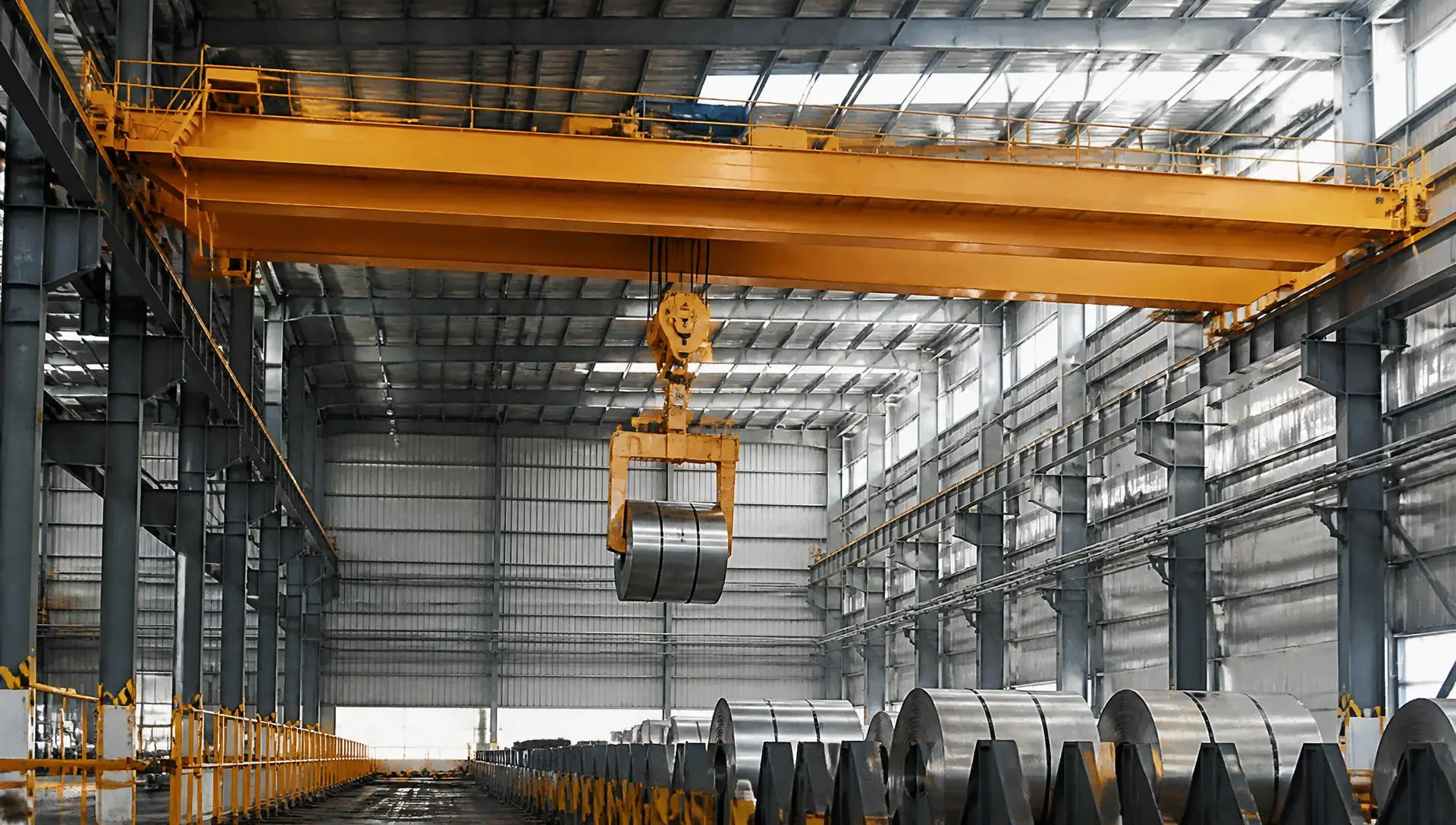
Independent consultant reviewing an overhead bridge crane at a heavy-industry facility
[ 02 ] CapabilitiesSee Results →

Independent expertise
across the overhead crane lifecycle.

Six focused engagements, aligned with CSA B167, CMAA 70/74 and ASME B30.2.

Start here

Independent Crane Second Opinion

Have a large repair, modernization or replacement proposal on your desk? CAG can review the recommendation independently before you approve the expenditure. Advice from someone who doesn't sell the answer.

Request a Second Opinion

Two Different Roles

Supplier recommendation vs independent review

Crane supplier

Provide equipment and services

  • Repair
  • Parts
  • Modernization
  • Replacement
  • Service agreement

Crane Advisory Group

Help the owner decide

  • Actual requirement
  • Alternative approaches
  • Supplier proposals
  • Scope and exclusions
  • Lifecycle, cost and risk
  • Maintainability

Both roles are valuable. They simply serve different purposes.

01

Crane Specifications and Procurement

Independent definition of what the facility actually needs, then structured sourcing — so the crane is specified for real duty and bids can be compared on equal terms.

  • Application and duty requirements
  • Crane and hoist specifications
  • RFQ development
  • Supplier qualification
02

Owner's Representation

Client-side coordination from award through closeout, so the equipment delivered matches the equipment specified.

  • Independent client-side coordination
  • Supplier communication
  • Drawing and document review
  • Scope clarification
03

Maintenance and Asset Management

Owner-defined maintenance strategy built around crane population, duty, condition and risk — not around a standard service package.

  • Crane-fleet inventory
  • Maintenance-program development
  • Inspection governance
  • Deficiency classification
04

Second Opinions

An independent review of the recommendation on your desk before maintenance or capital funds are committed.

  • Major repair quotations
  • Supplier recommendations
  • Premature replacement concerns
  • Recurring failures
05

Modernization, Repair or Replacement

Evidence-based comparison of repairing, modernizing or replacing aging overhead cranes, using condition, obsolescence and lifecycle cost.

  • Equipment condition
  • Obsolescence
  • Operational requirements
  • Remaining service life
06

Safety and Compliance Advisory

A documented view of program gaps and corrective actions. CAG does not grant regulatory approval, certify equipment or replace required professional engineering.

  • Maintenance and inspection records
  • Program gaps
  • Corrective-action planning
  • CSA B167 considerations

Deliverables

What the Client Receives

Technical Review Summary

Plain-language findings and decision points.

Bid Comparison

A structured comparison of supplier proposals and scope differences.

Risk and Gap Register

Missing information, exclusions, conflicts and commercial risks.

Maintenance Strategy

Priorities, intervals, responsibilities and follow-up actions.

Modernization Assessment

Current condition, upgrade options and replacement considerations.

Lifecycle Roadmap

Near-, medium- and long-term capital priorities.

CAG does not issue stamped engineering drawings or certification. Where those are required, they are delivered through a properly licensed professional.

See a sample bid review summary

Frequently Asked

Overhead Crane consulting, answered.

Does CAG perform crane inspections?
No. CAG is a consulting and advisory firm — we do not perform inspections and we do not sell parts, repairs or new cranes. We review the inspection and maintenance data your team and third-party contractors produce, and turn it into decisions: repair vs replace, modernization scope, spare-parts strategy, and long-range capital planning.
How often should an overhead crane be inspected?
CSA B167 Part 6 sets the framework: frequent (daily/shift) pre-operational checks, periodic (monthly/quarterly) documented inspections, and a comprehensive annual inspection — with frequency scaled to CMAA service class and environmental severity. We help owners confirm their qualified inspection provider is delivering the right scope and interval for each crane.
What is CMAA service class and why does it matter?
CMAA (Crane Manufacturers Association of America) Classes A through F describe how hard a crane works — from Class A (standby / infrequent) through Class F (continuous severe service). Service class drives structural design, mechanical sizing, inspection interval and useful life. Mis-classified cranes fail early or cost far more than they should.
Should I repair or replace my aging overhead crane?
It depends on condition, remaining useful life, obsolescence of controls and parts, and how the crane is used today versus when it was specified. We deliver an independent Repair vs Replace evaluation with a total-cost-of-ownership comparison so the capital decision rests on evidence, not vendor pressure.
What does an Owner's Representative do on a crane project?
An Owner's Representative acts for the buyer through the entire procurement — writing or reviewing the specification, evaluating bids, reviewing shop drawings and submittals, coordinating installation and commissioning oversight, and confirming turnover. It's how owners protect capital when they don't have deep in-house crane expertise.
Do you sell cranes, parts or repair services?
No. CAG is strictly independent. We do not sell equipment, parts, or repair services and have no OEM, dealer or service-provider affiliations. That's what makes our recommendations trustworthy.

Not sure which service fits?

Tell us about your overhead cranes and we'll point you to the right engagement — no obligation. Have questions first? Visit our contact page.

Request a Second Opinion