Newmont's Canadian Gold Portfolio: What Ownership Change Means for Crane Asset Management
Newmont's acquisition of Newcrest brought tier-one Canadian gold assets into the world's largest gold producer, followed by a major divestiture program. Ownership change resets maintenance standards — here is what that means for crane programs.
How Crane Advisory Group Helps
Reading the standard is the easy part. Applying it to your cranes is the job.
Crane Advisory Group is an independent overhead crane and material handling consultancy led by Bryan Whitty, Founder & Principal Consultant, with 15+ years in the crane industry. We don't sell cranes, parts or service contracts — so what you get back is a recommendation, not a quote.
Compliance Gap Review
Where your maintenance, inspection and records program actually sits against the CSA B167 edition your province names — documented in writing.
Specs, Bids & Quotes Reviewed
Duty class, options, scope and exclusions checked before you sign — so you buy the crane or contract you need, not the one that was easiest to quote.
Independent Second Opinion
Repair, replace or modernize — reviewed by someone with no equipment, parts or service contract riding on the answer.
- In the overhead crane industry
- 15+ yrsIn the overhead crane industry
- Equipment, parts or service margin
- 0%Equipment, parts or service margin
- Standards referenced: CSA B167 · CMAA · ASME B30
- 3Standards referenced: CSA B167 · CMAA · ASME B30
- Scope and fee agreed before work starts
- FixedScope and fee agreed before work starts
Free download: CSA B167 Overhead Crane Compliance Checklist
A 5-page, vendor-neutral self-audit covering jurisdiction and edition, crane register, maintenance program, inspections and records, structure, electrical, training, modifications and vendor oversight. Enter your work email and the PDF opens immediately.
No newsletter spam. Every engagement follows the same documented review process.
See how an engagement worksA different cost structure than asking your crane supplier. Our work is advisory-only and scoped and quoted before it starts. There is no equipment margin, parts markup or service agreement attached to the advice — and a scoped review is a small line item next to the capital purchase, modernization or multi-year contract it is reviewing.
Canadian gold mining went through a significant reshuffle over the past three years, and the material handling implications are still working their way through site maintenance departments.
What happened
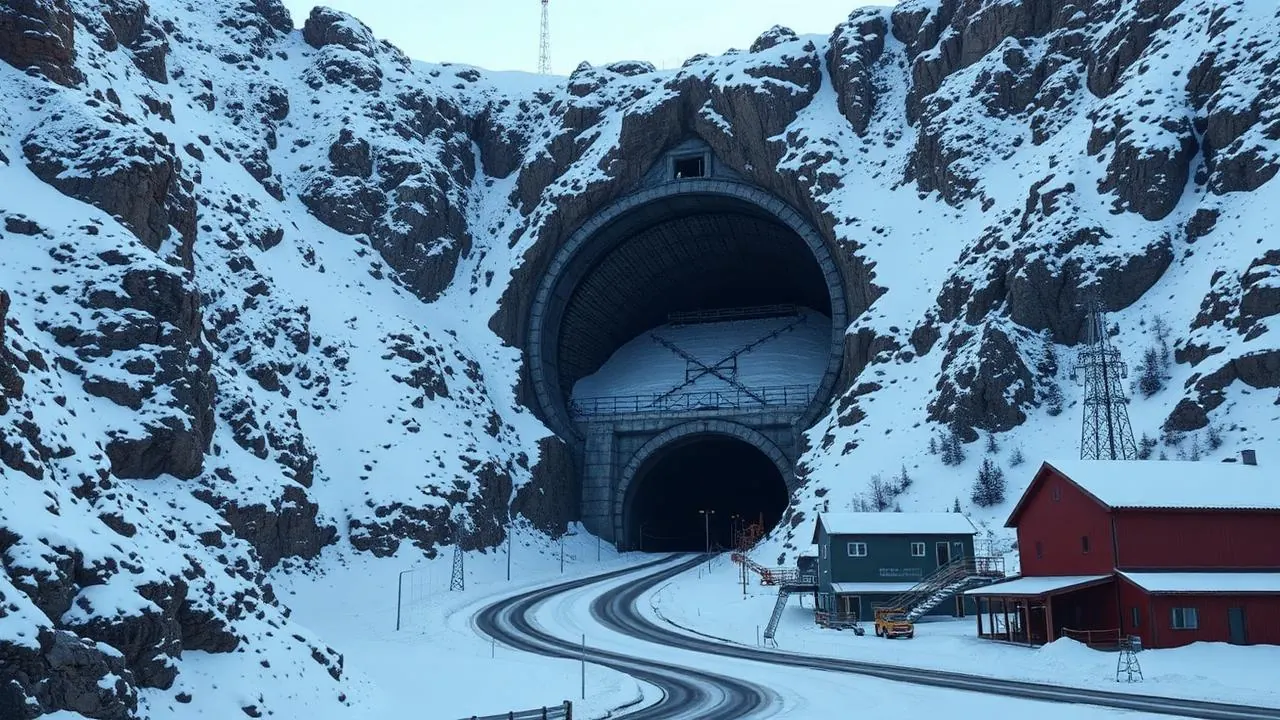
Newmont's acquisition of Newcrest Mining brought tier-one Canadian assets — including the Brucejack underground gold mine and the Red Chris copper-gold operation in British Columbia — into the portfolio of the world's largest gold producer.
Newmont then ran a non-core divestiture program, completing the sale of its Musselwhite and Éléonore operations in Ontario and Quebec, and finalizing the sale of the Porcupine operation in Ontario in April 2025. The program generated more than \$2.5 billion in cash proceeds in 2025 alone.
Sources: Newmont news release, April 16, 2025 and Newmont Corporation.
Why this matters to Canada
Two things are worth noting.
First, global capital continues to see Canadian mining jurisdictions as tier-one. Brucejack and Red Chris were retained, not sold.
Second, the divested Ontario and Quebec operations moved to operators focused specifically on those assets. Concentrated ownership frequently means renewed capital attention on infrastructure that a large diversified parent had been running to a minimum standard.
Either way — acquired or divested — the operating standard applied to fixed plant changes.
What ownership change does to a crane program
When a mine changes hands, the maintenance organization inherits equipment it did not specify, records it did not create, and a compliance history it cannot fully verify.
In our experience the same four issues appear.
1. The crane register is incomplete
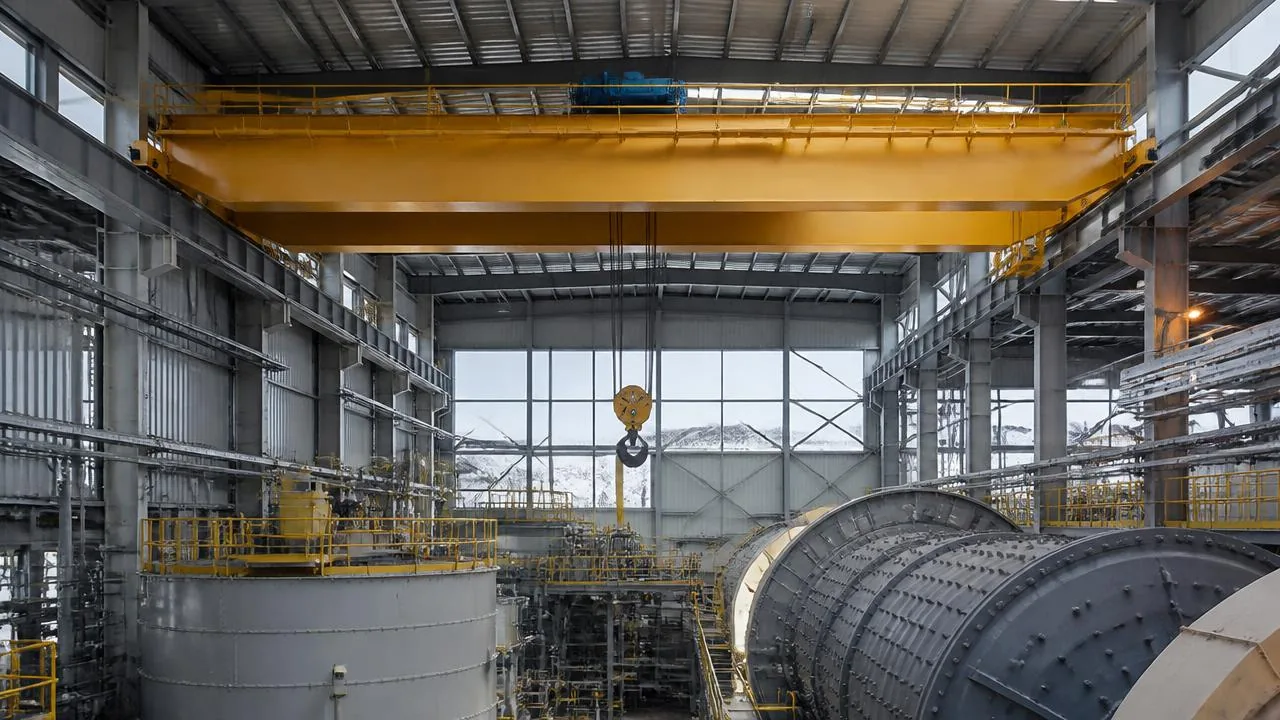
Mine sites accumulate cranes and hoists over decades: mill maintenance cranes, shaft and headframe hoists, shop cranes, jibs, monorails, electrical room hoists, portable gantries. Under previous ownership these were often tracked in more than one system, or not at all. The first deliverable after a transaction should be a single verified register.
2. Duty classification does not match actual use
A crane installed for construction and left in place for production is a common finding. So is a unit classified on capacity rather than cycles. Both produce inspection intervals that are too long for the real duty.
3. Inspection records do not survive the transaction
CSA B167, as adopted by the applicable provincial jurisdiction, expects documented inspection at frequencies matched to service. New ownership frequently discovers gaps in the record — which is a compliance exposure regardless of the equipment's physical condition.
4. Capital planning restarts from zero
New owners set new capital cycles. Without a condition-based assessment of each unit, crane replacement and modernization budgets get set by whoever quotes first.
The corrective sequence
For an operation that has changed hands, the practical order of work is:
- Verify the register. Every unit, location, capacity, manufacturer, install year and current condition.
- Reclassify by actual duty. Cycles and load spectrum, not nameplate capacity.
- Rebuild the inspection record. Baseline inspections, then frequencies aligned to the reclassified duty.
- Assess repair versus replace. Structural and fatigue condition against the remaining mine life.
- Build the capital forecast. A defensible multi-year plan the new owner's finance group can approve.
Our mining crane advisory and asset management services follow exactly this sequence.
Why independence matters after a transaction
Post-transaction is when suppliers arrive with proposals. The site is under new leadership, records are thin, and there is budget appetite to "fix" things.
That is precisely the moment to have an independent technical basis for what actually needs replacing, what needs modernization and what simply needs a proper inspection program. The supplier's recommendation is bounded by their product line. Ours starts with the asset and the remaining mine life.
Sources & attribution
Public announcements referenced
Financial results, milestones and expansion details in this article are drawn from each organization's own public announcements. Credit and links go to the source. Crane Advisory Group is independent and is not affiliated with, endorsed by, or speaking for these organizations.
Newmont Corporation
Newmont Completes Its Non-Core Divestiture Program With the Sale of Akyem and PorcupineAnnounced April 30, 2025
Newmont Corporation on LinkedInNewmont Corporation
Newmont operations and projects — CanadaNewmont Corporation on LinkedIn
FAQ
Frequently asked questions
- Which Canadian gold operations did Newmont divest in 2025?
- Newmont completed the sale of its Musselwhite and Éléonore operations, and finalized the sale of its Porcupine operation in Ontario in April 2025 as part of a non-core divestiture program that generated more than US$2.5 billion in cash proceeds in 2025.
- Why does a change in mine ownership affect crane compliance?
- New owners inherit equipment they did not specify and inspection records they cannot fully verify. Registers are often incomplete, duty classifications may not reflect actual use, and documentation gaps create compliance exposure under the CSA B167 requirements adopted by the applicable jurisdiction.
- What should a mine do first after acquiring an operating site?
- Build a single verified register of every crane, hoist and monorail on site, then reclassify each unit by actual duty cycle before setting inspection frequencies, repair-versus-replace decisions and capital forecasts.
Related services
How CAG helps on this
More field notes
6 min · Asset Management
Overhead Crane Asset Management in Mining, Steel and Refining: Who Is Actually Managing the Fleet?
7 min · Compliance
B.C.'s New Crane Licensing and Permitting Program: What It Means for Overhead Crane Owners
6 min · Mining
Mining Crane Compliance in Canada: Why Province, Mine Type and Crane Duty Matter