Repair vs Replace: How to Decide on an Aging Overhead Crane
A practical framework for owners weighing another round of repairs against a full replacement — the numbers, the risk factors, and the questions your OEM won't ask.
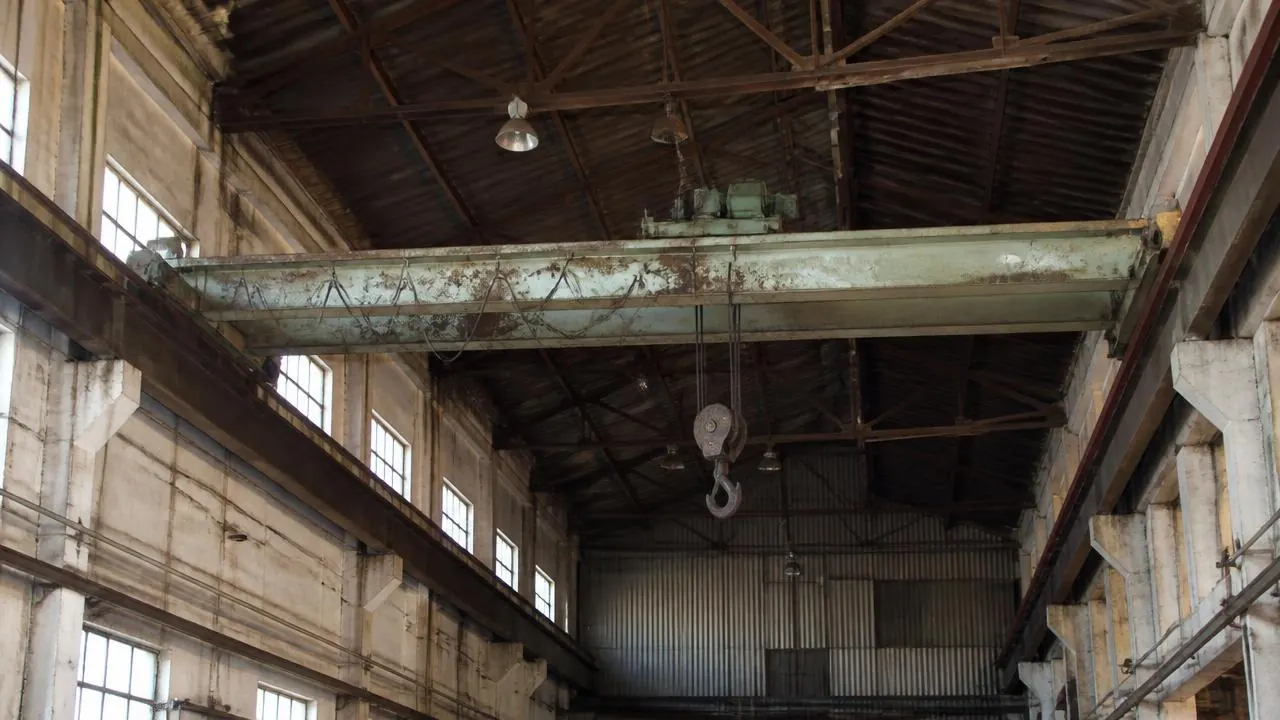
Every aging overhead crane eventually forces the same question: pay for another major repair, or replace it. Owners usually ask the OEM first. Replacement may be one option, but repair, modernization and replacement should be evaluated against condition, reliability, obsolescence, production requirements and lifecycle cost. Here's how we walk clients through the decision independently.
Start with total cost of ownership, not sticker price
A new crane looks expensive next to a repair quote. Run the numbers over ten years — repairs, downtime, parts obsolescence, energy, insurance — and the gap often closes or reverses. If you can't build a ten-year TCO on both options, you're not ready to decide.
The 50 percent rule is a starting point, not an answer
Industry rule of thumb: if a single repair exceeds 50 percent of replacement cost, replace. It's a useful trigger, not a decision. A 40-percent repair on a crane that will need another 40-percent repair in three years is a worse deal than replacement.

Six questions that actually decide it
- Is the structure fatigued? Bridge girders, end trucks and runway beams have finite fatigue life. Past it, no amount of control or hoist work rescues the asset.
- Are controls still supported? Sunset drives, obsolete PLCs and unavailable contactors force modernization regardless of structural condition.
- Has duty changed? A Class C crane running Class D duty is on borrowed time. Repairing it doesn't change the underlying mis-match.
- What's the outage tolerance? Replacement usually needs 2–4x the downtime of a major repair. For 24/7 operations that math is decisive.
- What's the safety record? Recurring in-service faults, near-misses or load-drop events shift the calculus toward replacement even when the economics are close.
- Is the crane critical-path? A single-point-of-failure crane in a production line deserves a lower repair threshold than a redundant maintenance crane.
Where independent review pays
The OEM is not neutral. The inspection contractor who would also sell you the repair is not neutral. An independent consultant runs the TCO, reviews the structural and controls data, and gives you the recommendation with no downstream revenue at stake. That's exactly what CAG's repair-or-replace assessment is for — and it feeds directly into a broader capital planning view when the answer is replace.
FAQ
Frequently asked questions
- How do I decide whether to repair or replace an overhead crane?
- Compare the cost and remaining life gained from repair against the process requirement over the intended service life. Structural condition, capacity adequacy, parts availability and downtime cost drive the decision more than repair price alone.
- What is a reasonable repair threshold?
- Many owners use cumulative repair cost against replacement cost as a trigger, but the decision should also consider obsolescence, safety device capability and whether the crane still matches production duty.
- Can an independent assessment be used to support capital approval?
- Yes. A documented condition assessment with cost and risk comparison is typically what finance requires to release capital.
Related services
How CAG helps on this
Related industries
Industry pages worth reading next
More field notes
6 min · Overhead Crane
Is the Lowest Crane Bid Really the Lowest Lifecycle Cost?
14 min · Maintenance
Motors, Gearboxes and Gearing: The Obsolete Parts That Keep Cranes Down for Weeks
6 min · Asset Management
Overhead Crane Asset Management in Mining, Steel and Refining: Who Is Actually Managing the Fleet?