Is the Lowest Crane Bid Really the Lowest Lifecycle Cost?
Purchase price is a fraction of what an overhead crane costs over thirty years. What drives the rest — duty class, parts, support, downtime, obsolescence — and how to weigh it before award.
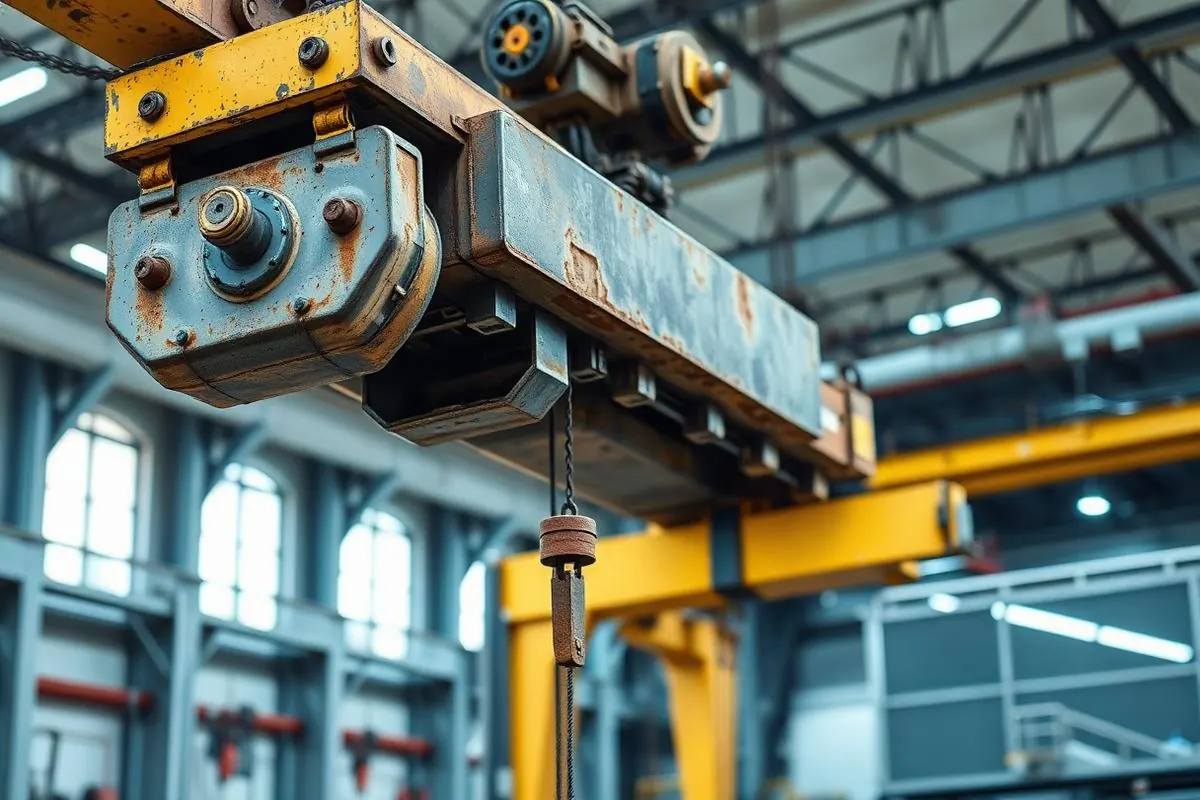
An overhead crane bought today will probably still be working in thirty years. The purchase price is settled in a single afternoon; everything else is settled every year after that.
The problem with award-on-price
A low bid is not automatically the wrong choice. It becomes the wrong choice when it is low for reasons the evaluation never examined — a lighter duty class, a narrower scope, proprietary components, or a support model that does not exist within a day's drive of the site.
What actually accumulates after handover
- Maintenance and inspection demand driven by how the crane was classed against real duty
- Parts availability and pricing, especially for proprietary drives, controls and hoists
- Support proximity — who attends site, how quickly, and at what rate
- Downtime cost, which for a production-critical crane usually dwarfs every other line
- Obsolescence horizon for controls and electronics, which is far shorter than the structure's
- Modernization cost later, and whether the design makes that easy or expensive
- Energy and operating efficiency across the duty cycle

The other failure mode
Over-specification is the mirror image. A more expensive proposal can carry duty, redundancy, automation or features the facility will never use, and those also carry maintenance and obsolescence. Higher price is not evidence of better value either.
Why it is hard to weigh
The comparison depends on how the crane will actually be used — the duty, the environment, the criticality of the process, the in-house maintenance capability and the owner's capital planning horizon. None of that is in the proposals. It has to be brought to the evaluation from the owner's side.
Where an independent view helps
An owner-side evaluation puts the proposals on a common technical basis and weighs them against the facility's real operating requirement and lifecycle expectations — before award, while the decision is still reversible. Related reading: are you comparing overhead crane bids on the same technical basis?
Next step: Talk to CAG before you commit, or see independent crane bid review and crane capital planning.
FAQ
Frequently asked questions
- Why is the lowest crane bid often the most expensive?
- Because gaps appear after award: lower duty class, thinner spare parts availability, non-standard controls, shorter component life and higher maintenance labour. The purchase price is typically a minority of lifecycle cost over twenty years.
- How do I compare crane bids fairly?
- Normalize the technical basis first — duty class, service class, control type, spare parts, commissioning and warranty scope — then compare price. Bids priced against different scopes cannot be compared.
- What lifecycle costs should be in the evaluation?
- Preventive maintenance labour and parts, expected component replacement intervals, downtime cost, energy, spare parts lead time and end-of-life modernization potential.
Related services
How CAG helps on this
Related industries
Industry pages worth reading next
More field notes