Could New Crane Technology Solve the Problem Without Replacing the Crane?
Before approving a crane replacement, consider whether load monitoring, controls, anti-sway, positioning or below-the-hook changes address the actual problem — and how to decide.
How Crane Advisory Group Helps
Reading the standard is the easy part. Applying it to your cranes is the job.
Crane Advisory Group is an independent overhead crane and material handling consultancy led by Bryan Whitty, Founder & Principal Consultant, with 15+ years in the crane industry. We don't sell cranes, parts or service contracts — so what you get back is a recommendation, not a quote.
Compliance Gap Review
Where your maintenance, inspection and records program actually sits against the CSA B167 edition your province names — documented in writing.
Specs, Bids & Quotes Reviewed
Duty class, options, scope and exclusions checked before you sign — so you buy the crane or contract you need, not the one that was easiest to quote.
Independent Second Opinion
Repair, replace or modernize — reviewed by someone with no equipment, parts or service contract riding on the answer.
- In the overhead crane industry
- 15+ yrsIn the overhead crane industry
- Equipment, parts or service margin
- 0%Equipment, parts or service margin
- Standards referenced: CSA B167 · CMAA · ASME B30
- 3Standards referenced: CSA B167 · CMAA · ASME B30
- Scope and fee agreed before work starts
- FixedScope and fee agreed before work starts
Free download: CSA B167 Overhead Crane Compliance Checklist
A 5-page, vendor-neutral self-audit covering jurisdiction and edition, crane register, maintenance program, inspections and records, structure, electrical, training, modifications and vendor oversight. Enter your work email and the PDF opens immediately.
No newsletter spam. Every engagement follows the same documented review process.
See how an engagement worksA different cost structure than asking your crane supplier. Our work is advisory-only and scoped and quoted before it starts. There is no equipment margin, parts markup or service agreement attached to the advice — and a scoped review is a small line item next to the capital purchase, modernization or multi-year contract it is reviewing.
A replacement proposal usually arrives with a problem attached: the crane is too slow, the loads swing, the operators can't spot accurately, the process needs a weight reading, there have been near-misses in a shared bay. Replacement is then presented as the solution.
Sometimes it is. Often the underlying complaint is a capability problem, not a structural one — and capability can frequently be added to a crane that still has years of safe life in it.
Why this decision goes wrong
The party best positioned to explain the options is usually the party selling one of them. That is not bad faith; it is how the industry works. A crane manufacturer proposes a crane. A controls supplier proposes controls. A service provider proposes the repair scope they are equipped to perform.
The result is that the owner rarely sees the full set of alternatives side by side, and almost never sees them costed over the asset's remaining life.
What is actually available
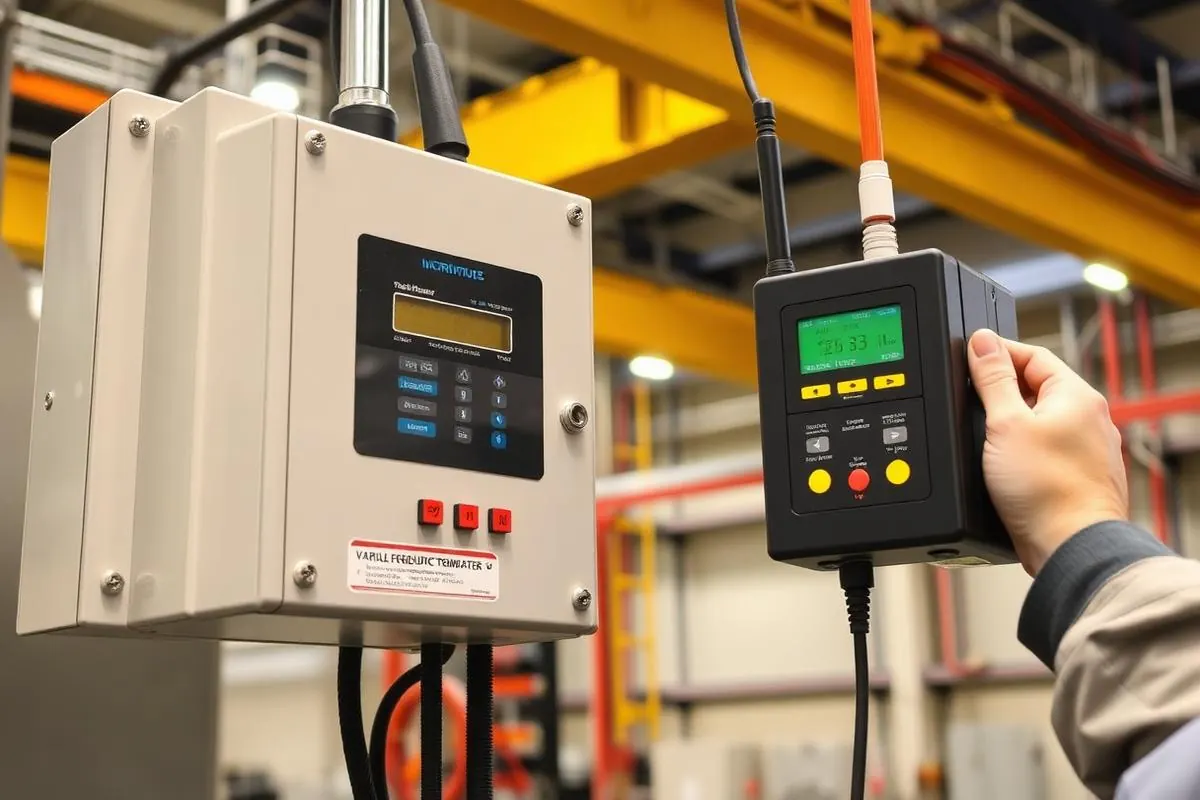
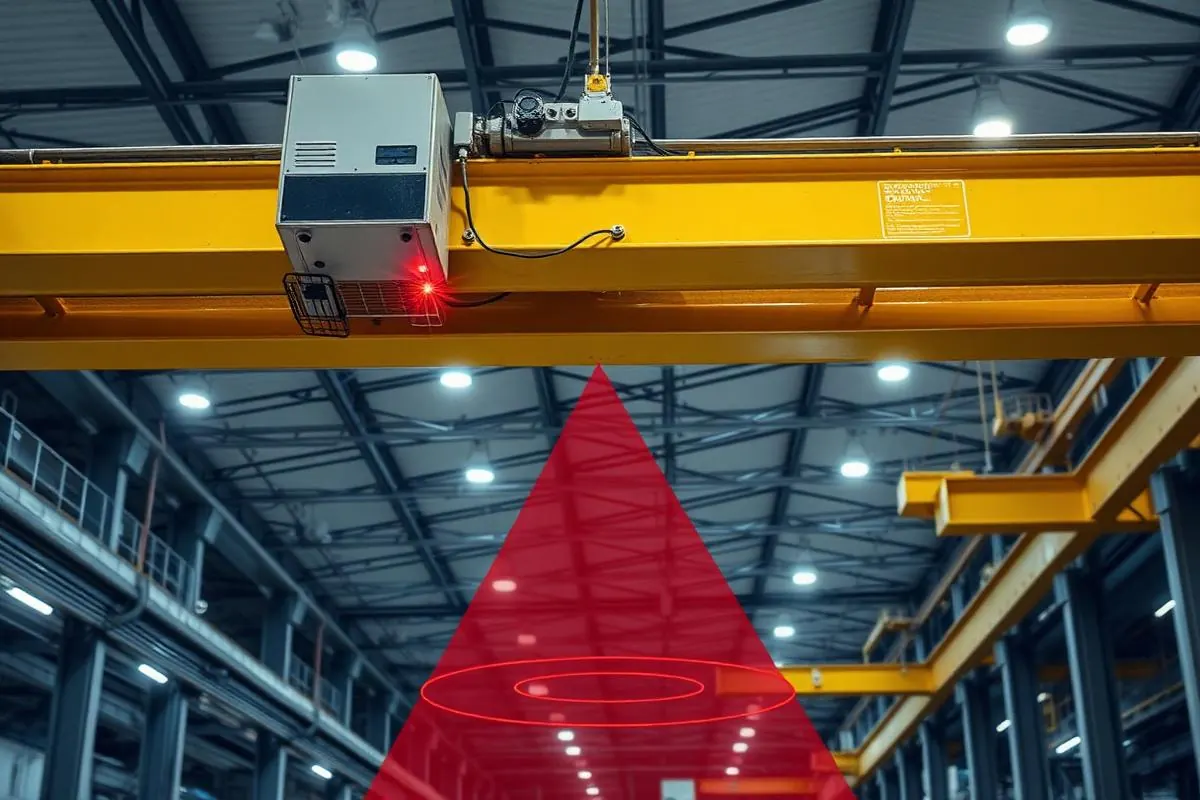
Modern overhead cranes can carry load monitoring and weighing, anti-collision and positioning systems, anti-sway and smart control features, radio and RFID operator access, cameras and remote operating stations, condition monitoring and predictive maintenance, and a wide range of below-the-hook equipment including magnets, grapples and automatic hooks.
Much of it can be retrofitted. Some of it cannot, or should not, depending on the crane's structure, duty, controls and electrification.
The variables that decide it
- Remaining structural and mechanical life of the existing crane
- Whether the duty the crane is being asked to perform today matches what it was specified for
- Control and drive platform — what a retrofit can actually integrate with
- Safeguarding and standards obligations triggered by the change
- Downtime window, and what production loses during either path
- Parts availability and support for both the existing crane and the proposed technology
- Total lifecycle cost of the upgrade path versus the replacement path
Any one of those can flip the answer. That is why a proposal that addresses only one of them is not a decision — it is an option.
When an independent review is worth it
If the number on the proposal is large enough that being wrong matters, an owner-side review before approval is cheap insurance. It answers a narrow question: is this the right solution to the problem we actually have, and are there alternatives that were never presented?
We don't manufacture the crane or sell the technology. We help you decide what you actually need.
Next step: Request a Crane Technology Review, or read how the Independent Crane Technology Review engagement works.
FAQ
Frequently asked questions
- Can technology be retrofitted to an older overhead crane?
- Frequently, yes. Load monitoring, anti-collision, cameras, condition monitoring and many control upgrades are commonly retrofitted. Suitability depends on the crane's structure, duty, control platform and remaining life, which should be assessed before a supplier is committed.
- Is a technology upgrade always cheaper than replacement?
- No. An upgrade can be a fraction of replacement cost, or it can be money spent extending an asset that should be retired. The comparison has to include remaining life, downtime, support and lifecycle cost — not just the two quoted prices.
Related services
How CAG helps on this
Related industries
Industry pages worth reading next
More field notes